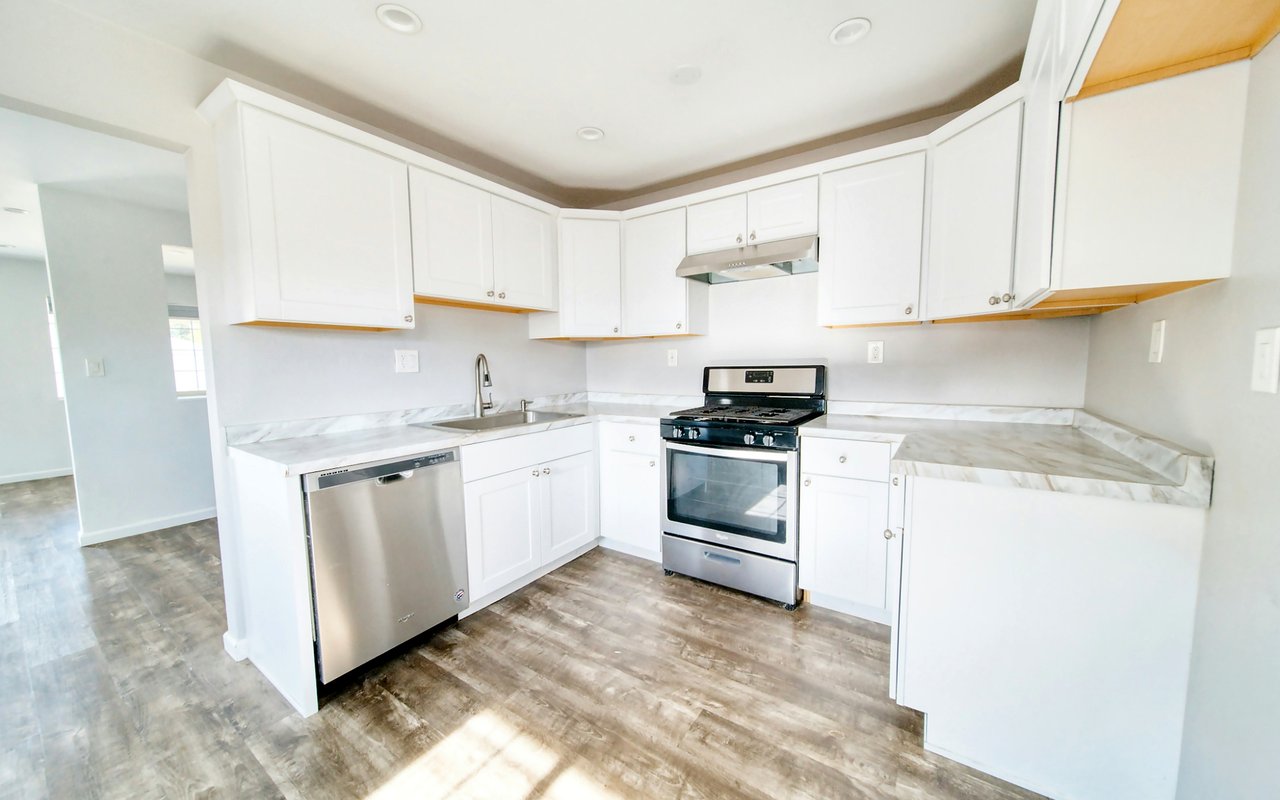
House flipping — the practice of buying properties, renovating them, and reselling for profit — has long been an attractive strategy for real estate investors. In a city as dynamic as New York, the potential for returns can be significant, but so can the challenges. Understanding the intricacies of the market, local regulations, and renovation logistics is essential for success. For anyone interested in house flipping in New York, NY, preparation, expertise, and careful planning are the keys to maximizing profitability and minimizing risk.
Choosing the Right Property
Successful house flipping begins with selecting the right property. Investors should look for homes that are undervalued relative to comparable properties in the area but have strong structural integrity and potential for improvement.
Ideal candidates are often properties that require cosmetic updates rather than extensive structural repairs. Kitchens, bathrooms, and flooring tend to offer the highest return on investment when updated thoughtfully. Buyers in New York often value move-in-ready homes with modern finishes, making these upgrades particularly effective.
Additionally, understanding the property type is crucial. Single-family homes, multi-family units, and condominiums each present different challenges and opportunities. Multi-family properties can provide rental income during the renovation phase, but they may also require additional permits and longer timelines. Condos and co-ops, meanwhile, often have strict renovation guidelines and board approval processes that can complicate timelines.
Financing the Flip
Financing is one of the most important aspects of any real estate investment. Investors can use several methods to fund a flip, including traditional mortgages, hard money loans, private investors, or cash purchases.
In New York, where competition is fierce and sellers often prefer cash offers, having quick access to funding can make or break a deal. Hard money lenders, though more expensive than traditional financing, can provide fast approvals and flexible terms.
Investors should also account for closing costs, taxes, insurance, and permit fees when calculating their budget. A clear financial plan ensures that profit margins remain healthy even after accounting for unforeseen expenses.
Permits and Regulations
New York City’s building codes and permit requirements are among the most complex in the country. Any investor considering house flipping in New York, NY should become familiar with local regulations — or work closely with a licensed contractor and real estate attorney who understands them.
Renovations involving structural changes, plumbing, or electrical systems typically require permits from the Department of Buildings (DOB). Failure to obtain proper permits can result in costly fines and delays, as well as potential issues when reselling the property.
It’s also important to consider historical or landmark designations. Properties located in historic districts often require additional approvals before exterior or structural modifications can begin.
Building a Reliable Team
Flipping a house is rarely a solo effort. Success depends on assembling a trusted team of professionals who can handle different aspects of the project efficiently and effectively.
Key team members include:
-
A licensed contractor to oversee construction and renovations.
-
A real estate agent with experience in investment properties and market analysis.
-
An attorney familiar with New York real estate law and property transactions.
-
An accountant or financial advisor to assist with budgeting and tax implications.
Having an experienced team helps prevent costly mistakes and ensures that each phase of the project runs smoothly.
Budgeting for Success
A detailed budget is essential for profitability. Beyond the purchase price and renovation costs, investors must consider carrying costs such as mortgage payments, utilities, property taxes, and insurance during the renovation period.
Unexpected expenses are common, so setting aside a contingency fund — typically 10 to 20 percent of the total renovation budget — is wise. Careful cost control, paired with strategic upgrades, ensures that the final sale price comfortably exceeds the total investment.
Timing the Market
Timing plays a crucial role in real estate investment. New York’s market can shift seasonally and is influenced by interest rates, economic conditions, and housing inventory.
Spring and early summer are traditionally strong seasons for selling, as buyer activity tends to increase. However, well-priced and well-presented properties can sell year-round in New York’s constantly active market.
Monitoring local trends, such as neighborhood revitalization projects or infrastructure improvements, can help investors anticipate future growth areas and maximize returns.
Renovation Strategies That Add Value
Not all renovations yield the same return. Successful flippers focus on updates that improve functionality and aesthetic appeal without overpersonalizing the space.
High-impact areas include kitchens, bathrooms, and entryways. Neutral color palettes, quality materials, and modern fixtures appeal to the widest range of buyers. Energy-efficient upgrades — such as new windows, LED lighting, and updated HVAC systems — can also increase property value and attract environmentally conscious buyers.
Curb appeal should not be overlooked. In a city where space is limited, even small exterior improvements, such as new landscaping or a refreshed façade, can create a lasting impression.
Managing Risk
While house flipping can be lucrative, it is not without risk. Unexpected structural issues, rising material costs, and market fluctuations can all affect profitability.
Conducting thorough due diligence before purchasing a property is essential. Investors should review inspection reports carefully, research comparable sales, and assess potential resale timelines. Diversifying investments and maintaining a financial cushion can also help mitigate risk.
Additionally, working with professionals who understand the nuances of the local market reduces the likelihood of costly surprises.
Excited to Flip Houses in New York, NY?
Flipping houses in New York requires a balance of strategy, discipline, and local expertise. Success depends on choosing the right property, budgeting accurately, adhering to regulations, and delivering high-quality renovations that appeal to today’s buyers.
For investors willing to put in the effort, the rewards can be substantial. With careful planning and professional support, turning a fixer-upper into a profitable sale is well within reach.
Interested in exploring real estate investment opportunities or finding your next property in New York? Contact Eileen Robert and Paolo Valois-Lopes today for expert guidance and personalized strategies to help you achieve your investment goals.